
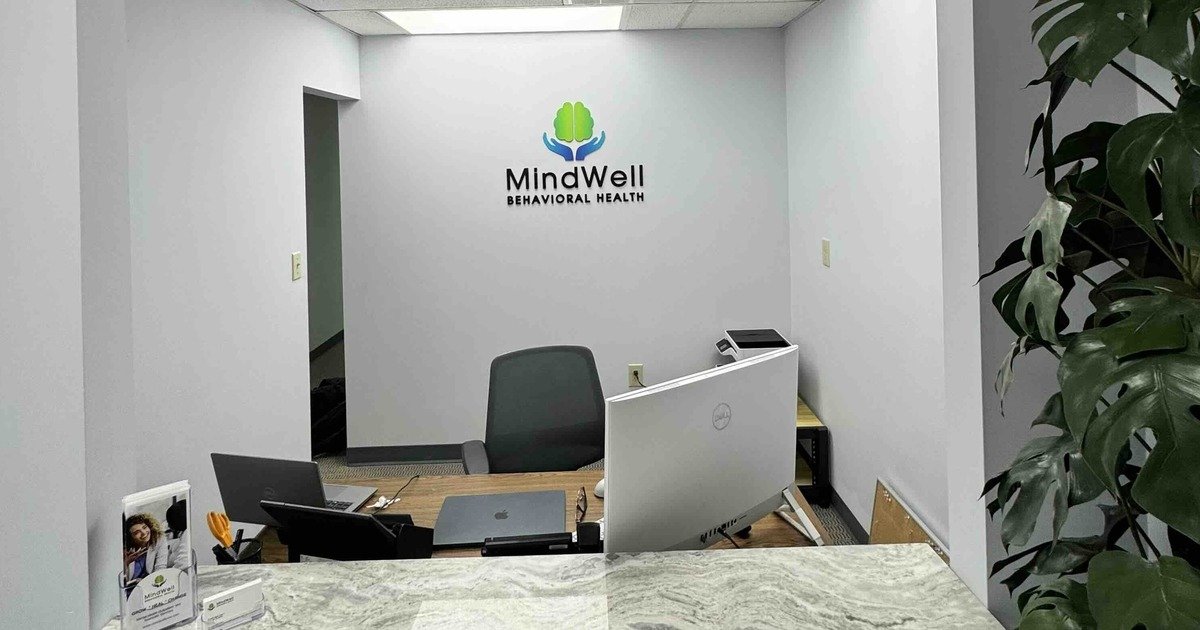
This mental health RCM case study shows how Apna MBC raised MindWell Behavioral Care’s gross collection rate from 52.3% to 80.0% in six months by taking over the full revenue cycle, with no new patients and no new providers.
Practice snapshot
| Item | Detail |
| Practice | MindWell Behavioral Care |
| Industry | Mental health |
| Providers | 8: 3 psychiatrists, 2 psychiatric NPs, 3 therapists |
| Location | Texas |
| Service | End-to-end revenue cycle management |
| Primary challenge | Inefficient billing workflows |
| Engagement | Began February 2026, results measured over 6 months |
Headline results
| Stat | Before | After |
| Gross collection rate | 52.3% | 80.0% |
| Monthly collections | $97,300 | $148,800 |
| Additional collections per month | +$51,500 | |
| Average days in A/R | 58 days | 34 days |
Key takeaways
- Collections rose by $51,500 a month while monthly charges stayed at $186,000.
- First-pass claim acceptance rose from 78% to 96%, and the denial rate fell from 22% to 6%.
- Claims submitted within 48 hours of the visit rose from 41% to 97%.
- MindWell kept its existing practice management system. Apna MBC worked inside it.
Why MindWell’s Billing Workflow Was Losing Revenue

MindWell saw a steady caseload and billed about $186,000 a month. It collected $97,300 of that. The gap did not come from one large failure. It came from three smaller breakdowns that each added delay or lost claims.
Claims left the practice days after the visit
Charge entry waited on clinicians and front desk staff between sessions. The average charge lag was nine days, and only 41% of claims went out within 48 hours of the visit. Late claims meant late payment and a higher risk of missing payer filing limits.
Denials were fixed one at a time
A part-time biller reworked denied claims as they came in. Nobody tracked denial reasons, so the same errors repeated. Eligibility was not checked before sessions, and time-based psychotherapy codes were sometimes entered without the matching session length. The denial rate sat at 22%.
Payments were posted late and not reconciled
Electronic remittances (ERAs) piled up. At the start of the engagement, 340 remittances were waiting to be posted. Underpayments went unnoticed because posted amounts were not compared with the contracted rate, and 31% of the A/R balance was older than 90 days.
How Apna MBC Rebuilt MindWell’s Revenue Cycle End to End
Apna MBC works inside the practice management system a client already uses, so MindWell did not migrate or retrain on new software. The work followed four stages in order.
Stage 1: Billing review and baseline
We reviewed six months of claims, remittances, and aging reports to measure first-pass acceptance, denial reasons, days in A/R, and charge lag. Every result in this case study is compared with this baseline.
Stage 2: Front-end fixes before the claim goes out
We added insurance eligibility checks before each session and set up a daily charge capture routine so notes and charges reached billing the same day. Our coders checked each claim against payer rules before submission, including time-based psychotherapy codes (90834, 90837), add-on code 90833 with evaluation and management visits, evaluation codes 90791 and 90792, and telehealth modifier 95.
Stage 3: Daily claims, denial work, and A/R follow-up
Claims were scrubbed and submitted every business day. Each denial was logged with its reason and routed to a fix or an appeal. Open balances were followed up on a set schedule by age, so no claim waited unreviewed past 30 days.
Stage 4: Payment posting and monthly reporting
We cleared the remittance backlog and began posting each ERA within one business day. Posted payments were compared with the expected allowable amount, and underpayments were flagged for appeal. MindWell received a monthly report covering the five core measures, and we adjusted the process wherever the numbers pointed.
Engagement Timeline
- Weeks 1 to 2, billing review: baseline claims, denials, A/R aging, and charge lag.
- Weeks 3 to 6, workflow rebuild: eligibility checks, daily charge capture, and code review set up.
- Months 2 to 3, daily operations: remittance backlog cleared, denial and A/R follow-up on schedule.
- Months 4 to 6, reporting and refinement: monthly reports reviewed with MindWell, payer-specific fixes added.
Mental Health RCM Case Study Results After Six Months
MindWell’s collections rose from $97,300 to $148,800 a month, a gain of $51,500, while billed charges held at $186,000. Collections are the six-month average after the engagement began.
| Metric | Before | After | Change |
| Monthly charges | $186,000 | $186,000 | No change |
| Monthly collections | $97,300 | $148,800 | +$51,500 |
| Gross collection rate | 52.3% | 80.0% | +27.7 points |
| First-pass claim acceptance | 78% | 96% | +18 points |
| Denial rate | 22% | 6% | -16 points |
| Average days in A/R | 58 days | 34 days | -24 days |
| A/R balance older than 90 days | 31% | 9% | -22 points |
| Claims sent within 48 hours of visit | 41% | 97% | +56 points |
| Average charge lag | 9 days | 2 days | -7 days |
| Unposted remittances (ERAs) | 340 | 0 | Backlog cleared |
$618,000 a year in added collections. This is the $51,500 monthly gain multiplied by twelve. It assumes the six-month rate holds and charges stay level.
Why Collections Grew Without Adding a Single Patient
MindWell billed the same $186,000 a month before and after. It did not add providers or schedule more sessions. The extra $51,500 a month came from claims that were already earned.
Three changes account for most of the gain. Claims went out within days of the visit, so they reached payers sooner and cleared filing limits. Front-end checks stopped errors before submission, which raised first-pass acceptance to 96%. Denials and old balances were worked on a schedule, so fewer claims aged past 90 days.
For a mental health group, a 22% denial rate means roughly one in five claims needs rework before it pays. Reducing that rate frees staff time as well as cash. Outside billing oversight now takes about nine hours a week for MindWell, down from about 62 hours of mixed billing work spread across clinical and front desk staff.
Questions About This Case Study
What is end-to-end RCM for a mental health practice?
End-to-end revenue cycle management covers every billing step from insurance eligibility checks and charge capture to claim submission, denial work, payment posting, patient statements, and reporting. One team owns the whole cycle, so a problem in one step does not hide behind another.
How long did it take MindWell to see results?
The charge lag and first-pass acceptance improved within the first three months. The full gain in collection rate was measured over six months, and the rate was still rising at the end of that period.
Did MindWell have to change its software?
No. Apna MBC worked inside the practice management system MindWell already used, so there was no migration.
What does a 96% first-pass acceptance rate mean?
It means 96 of every 100 claims were accepted by the payer on the first submission, with no rejection or request for correction.
How can my practice get a billing review?
Call (786) 475-5468 or use the contact form. We start with a review of your claims and aging reports, and we scope an engagement only if we find revenue we can recover.
More Mental Health Billing Case Studies
- Harmony Therapy Associates: addressing recurring insurance claim denials (in production, link when live).
- ClearPath Behavioral Health: managing aging accounts receivable and outstanding claims (in production, link when live).
Link text for the hub: See all Apna MBC case studies
Closing call to action: Is Your Practice Collecting What It Earns?
We start with a billing review, not a sales pitch. If we find revenue to recover, we scope the work to your practice. If we do not, we tell you.
Button: Request a free billing review, linking to the contact page. Phone: (786) 475-5468. Email: info@apnambc.com.